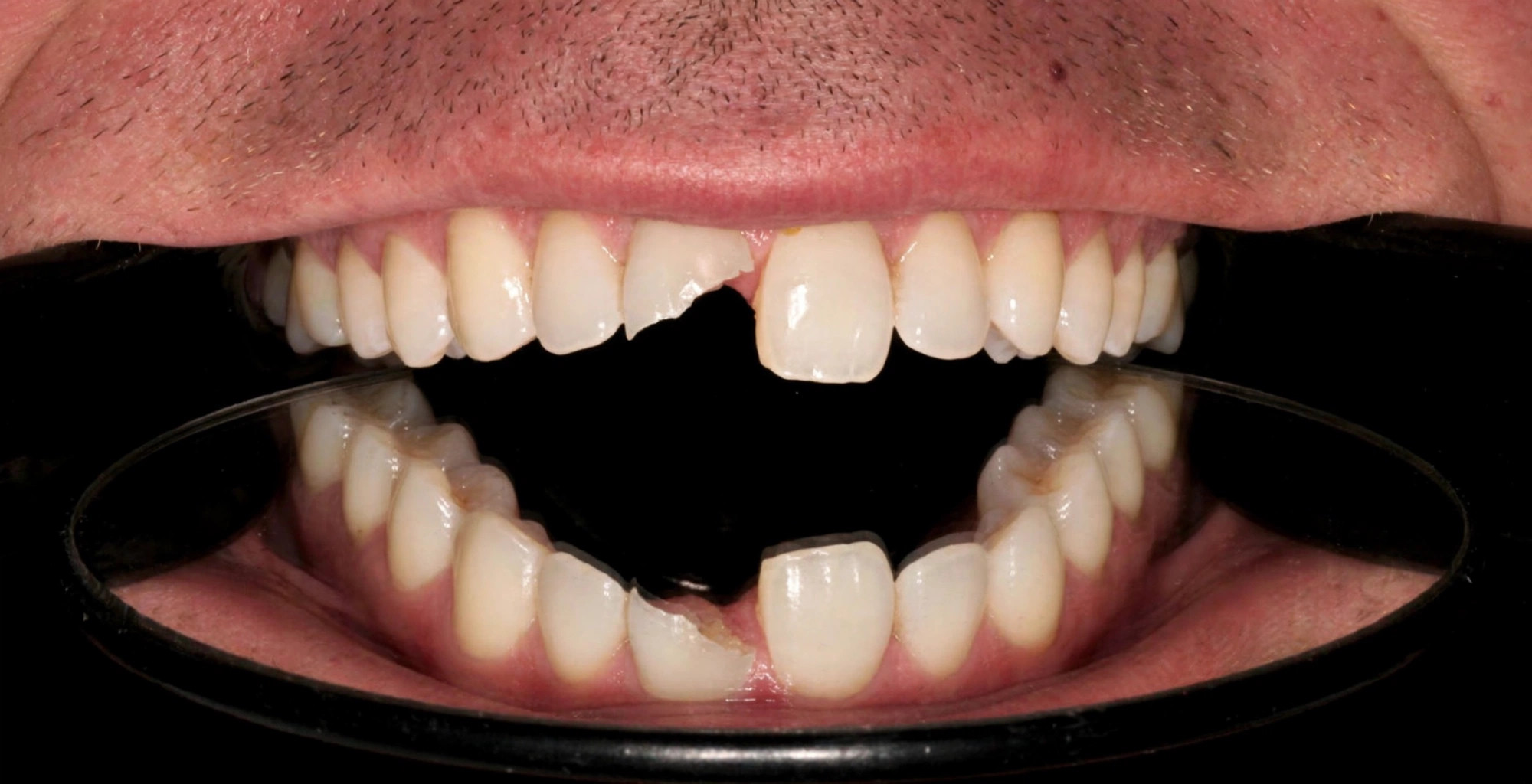
A fall on the ice, a puck to the mouth, a playground collision — dental trauma happens in seconds, and what happens in the minutes afterwards can decide whether a tooth is saved.
If a permanent tooth is knocked out, time is everything. Pick it up by the crown — the white part you chew with — never by the root. If it is dirty, rinse it briefly in milk or clean water without scrubbing, then try to place it gently back in its socket and bite down softly on a clean cloth. If you cannot reinsert it, keep it moist: in a small container of milk, or inside your cheek. Then get to a dentist immediately — ideally within 30 to 60 minutes, when the chances of saving the tooth are highest.
For a chipped or broken tooth, save any fragments you can find and bring them along; repairs are often possible. A tooth that has been pushed out of position, or a baby tooth that is injured, also needs prompt assessment — baby teeth are not reinserted, but the developing adult tooth underneath must be checked.
This is where your dentist’s role begins: assessing the injury with examination and X-rays, repositioning or splinting teeth, treating exposed nerves, and monitoring healing over the following months, since trauma complications can appear later.
Dental trauma is frightening, especially with children. Knowing these first steps — and calling us right away — gives every injured tooth its best chance.
Ready to take the next step? Contact us or call Triunity Family Dental Centre at 204-831-6633.
Feel free to contact for more information via 204-831-6633 or Triunityfamilydental@gmail.com